Government programs offering free smartphones provide essential technology to low-income individuals and families, improving connectivity and access to information and services.
Government programs offering free smartphones are designed to bridge the digital divide and ensure everyone has access to technology. Have you ever wondered how these programs work and whether you might be eligible? Let’s dive in and uncover the details.
Understanding government programs for smartphones
Understanding government programs for smartphones can help you access essential technology at no cost. These initiatives aim to provide citizens with devices that enhance communication and access to information.
Types of government programs
There are various programs available at both federal and state levels. They often aim to support low-income families, seniors, and individuals with disabilities. For example, programs like Lifeline provide discounts on phone services, while others offer free smartphones.
Eligibility requirements
To qualify for these programs, applicants usually need to meet specific criteria. These can include:
- Having an income below a certain threshold.
- Participating in government assistance programs like SNAP or Medicaid.
- Being a senior or a person with disabilities.
Gathering the necessary documentation is key to ensuring your application is approved. Once the eligibility is confirmed, you can access free smartphones and service plans that greatly enhance your connectivity.
It’s important to note that these programs can vary by location, meaning some states may offer more comprehensive options than others. By researching your local offerings, you can find the best program to suit your needs.
Many people benefit significantly from these programs. Scenario-based examples include students needing smartphones for online learning or job seekers requiring reliable communication tools. Understanding how these initiatives work can empower you to make informed decisions about your access to technology.
In summary, the opportunities provided by government programs for smartphones are vast. They include options for virtually all demographics, making technology more accessible for everyone.
Eligibility criteria for free smartphones
Eligibility criteria for free smartphones are essential to understand if you want to take advantage of these government programs. These criteria can help ensure that those who need assistance the most can access technology.
Basic income qualifications
One primary factor in determining eligibility is income. For many programs, your annual income must fall below a certain level. This limit varies depending on household size and state guidelines. Many programs aim to assist low-income families or individuals, making it crucial to check whether you meet these financial requirements.
Participation in government assistance programs
If you receive benefits from government assistance programs, you may automatically qualify for free smartphones. Common programs include:
- Supplemental Nutrition Assistance Program (SNAP)
- Medicaid
- Temporary Assistance for Needy Families (TANF)
Being enrolled in any of these programs can simplify the application process and improve your chances of receiving a smartphone.
Age and disability status can also play a role in eligibility. Certain programs prioritize seniors or individuals with disabilities. For instance, senior citizens may have different qualification criteria than younger applicants.
Collecting the necessary documentation is vital when applying for a government smartphone. Ensure you gather proof of income, identity, and any government assistance you currently receive. Submitting all required information can help streamline the approval process.
Ultimately, understanding the eligibility criteria for free smartphones is the first step in accessing valuable technology that can enhance your communication and access to resources.
How to apply for a government smartphone
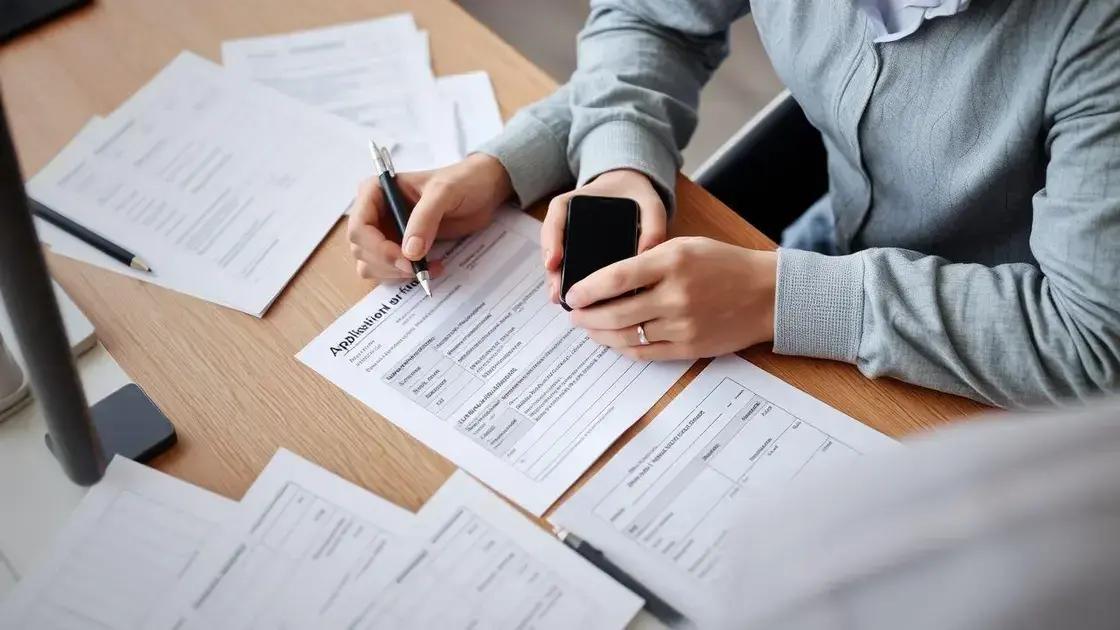
Applying for a government smartphone is a straightforward process when you know the steps involved. Many individuals benefit from these initiatives, so knowing how to apply can provide you with valuable resources.
Gather necessary documentation
Before starting your application, collect all required documents. Commonly needed items include:
- Proof of income, such as pay stubs or tax returns.
- Identification, like a driver’s license or state ID.
- Verification of participation in government assistance programs, if applicable.
Having these documents ready will streamline your application process and reduce potential delays.
Find the right program
Next, research different government programs offering free smartphones. Each program may have unique requirements and benefits. You can check websites like your state’s public utility commission or the Federal Communications Commission (FCC) for more information.
Once you’ve identified the right program, visit their official website to access the application form. Many programs allow you to apply online, which is often the easiest method.
Complete the application
Fill out the application form carefully, ensuring all information is accurate. Double-check details like your name, address, and income information. Any mistakes can lead to delays or even denial of your application.
After completing the form, submit it along with your gathered documents. If applying online, make sure to upload the copies as specified. Always keep a copy of your submission for your records.
In some cases, you may need to participate in a verification process. This could involve a follow-up phone call or a request for additional documentation. Stay attentive to any communication from the program administrators to ensure a smooth application process.
By following these steps, you can effectively navigate the application process for a government smartphone and gain access to essential technology.
Benefits of having a free smartphone
Having a free smartphone offers numerous benefits that can significantly improve your daily life. With access to a reliable device, you can stay connected to family, friends, and essential services.
Enhanced connectivity
One of the most significant advantages of a free smartphone is enhanced connectivity. You can easily communicate with loved ones via calls, text messages, or social media. This helps maintain relationships, especially for those who may be geographically distant.
Access to information and services
Smartphones provide instant access to a wealth of information. You can search for news, access educational resources, and find vital services in your area. This is especially important for individuals who may not have easy access to computers or the internet at home. Some benefits include:
- Finding job opportunities
- Accessing healthcare information
- Utilizing online banking
These capabilities help you stay informed and empowered, making navigating daily tasks much easier.
Educational opportunities
A free smartphone can be an invaluable tool for education, especially for students. Many schools use mobile apps to share assignments and communicate with parents. Students can quickly access online courses and educational materials from anywhere, promoting a more interactive learning experience.
Additionally, smartphones can facilitate collaboration. Students can connect with classmates for study groups or group projects, enhancing their learning outcomes.
Convenience and everyday functionality
A smartphone can save time by combining multiple functions into a single device. Instead of carrying around a calculator, camera, and planner, a smartphone combines all these tools. You can set reminders, manage your calendar, and even scan documents with ease.
Overall, having a free smartphone enhances your quality of life. It serves as a vital tool for communication, education, and convenience, making daily activities more manageable and enjoyable.
Challenges and considerations with government programs
While government programs offering free smartphones provide great benefits, they also come with challenges and considerations. Understanding these factors can help potential applicants navigate the process more effectively.
Limited availability
One major challenge is the limited availability of smartphones and services. Not all regions have access to these programs, which means that some applicants may find it difficult to qualify. Additionally, the number of smartphones available through these programs can be limited, leading to long waiting lists.
Application complexities
Navigating the application process can sometimes be complex. Applicants must ensure they meet all eligibility requirements, which can differ significantly between programs. Common challenges include:
- Understanding the specific documents required for application.
- Keeping track of deadlines for submitting applications.
- Requesting additional information if the application is incomplete.
These complexities can lead to frustration and delays, particularly for those unfamiliar with the process.
Privacy concerns
Another consideration is privacy. When applying for a free smartphone, you may need to provide personal information, such as income details and identification. It is crucial to understand how this information will be used and protected. Be sure to read the program’s privacy policies to ensure your data is handled responsibly.
Limited features and upgrades
While receiving a free smartphone is beneficial, the device may not always have the latest features or specifications. Some programs may offer basic models that may not meet everyone’s needs, particularly for those who rely heavily on their smartphones for work or study. Consider whether a free smartphone will adequately serve your requirements before applying.
Overall, being aware of the potential challenges and considerations can help you make informed decisions when applying for government programs offering free smartphones.
In summary, government programs offering free smartphones can significantly improve access to technology for many individuals. Understanding the eligibility criteria, application process, and the benefits can empower you to take advantage of these programs. However, it’s essential to be aware of the potential challenges, such as limited availability, privacy concerns, and device capabilities. With this knowledge, you can make informed choices and enhance your connectivity, education, and overall quality of life.
FAQ – Frequently Asked Questions about Government Programs Offering Free Smartphones
Who is eligible for government programs offering free smartphones?
Eligibility generally includes low-income individuals and families, seniors, and those participating in government assistance programs like Medicaid or SNAP.
How do I apply for a free smartphone through a government program?
To apply, gather required documents such as proof of identity and income, then fill out the application either online or in person for the specific program.
What are the main benefits of receiving a free smartphone?
Benefits include enhanced connectivity, access to essential information and services, and improved educational opportunities for students.
Are there any drawbacks to getting a free government smartphone?
Yes, potential drawbacks include limited availability, privacy concerns regarding personal information, and receiving older models with fewer features.