Free healthcare options for low-income adults include services like Medicaid, community health centers, and nonprofit clinics that provide essential medical care at no cost to eligible individuals.
Are you aware of the free healthcare options for low-income adults? Navigating these resources can truly change lives. In this article, we’ll dive into the various available services, eligibility criteria, and how you can access them.
Understanding free healthcare options
Understanding free healthcare options is essential for those who may not have the resources to afford traditional health services. In this section, we will explore the landscape of available services that can significantly improve health outcomes for individuals with limited income.
Key Types of Free Healthcare Options
There are various programs designed to assist low-income individuals and families in accessing crucial health services. Here are some of the primary options:
- Medicaid: A state and federal program that provides free or low-cost health coverage to eligible individuals.
- Community Health Centers: Local centers that offer a range of services, typically on a sliding fee scale based on income.
- Health Clinics: Nonprofit clinics that provide basic medical and preventive care without charge.
- Charity Care Programs: Programs offered by hospitals to provide free or reduced-cost care to those in need.
It’s crucial to remember that eligibility for these services can vary by state and individual circumstances. The best way to start is by contacting local health departments or looking up resources that guide you through these options.
How to Determine Eligibility
Finding out if you qualify for free healthcare options often involves completing an application process. Criteria generally look at factors such as household income, family size, and specific healthcare needs. Many community organizations help navigate these applications, ensuring you have the best chance of receiving the necessary support.
Each option has its own set of requirements. For example, while Medicaid is available to low-income individuals, the limits for eligibility can differ based on the state you reside in. Most states have online tools or hotlines that residents can use to check their eligibility.
In addition to Medicaid, many community health centers can provide immediate access to care without the need for complex applications. These centers often have trained staff who can guide you through the process and ensure you receive the care you need.
Eligibility requirements for low-income adults
Understanding the eligibility requirements for low-income adults is vital for accessing essential healthcare services. These requirements vary by program but usually depend on factors like income, household size, and age. Navigating these criteria can sometimes feel overwhelming, but knowing what to expect can make the process smoother.
Basic Criteria for Eligibility
While each program has its specific rules, there are common criteria many programs share. Here are the basic requirements to keep in mind:
- Income Level: Typically, applicants must demonstrate income below a certain percentage of the federal poverty level.
- Family Size: The number of people in a household can affect eligibility. Larger families may have increased income limits.
- Residency Status: Most programs require participants to be permanent residents or U.S. citizens.
- Age and Health Conditions: Some services may have specific age or health-related criteria for eligibility.
It’s important to check each program’s specific requirements, as they can differ from one to another. For instance, Medicaid eligibility may vary by state, and some states might even offer expanded coverage to low-income individuals who do not qualify under traditional criteria.
When applying for these services, consider gathering relevant documents that can help prove your eligibility. Common documents include proof of income, identification, and information about your household members. Having this information ready will streamline the application process.
Additionally, local community organizations often provide assistance with applications. They can guide you in gathering necessary documents and help you understand which programs suit your situation best. Don’t hesitate to reach out to these resources, as they can be invaluable in navigating the healthcare landscape.
How to access free healthcare services
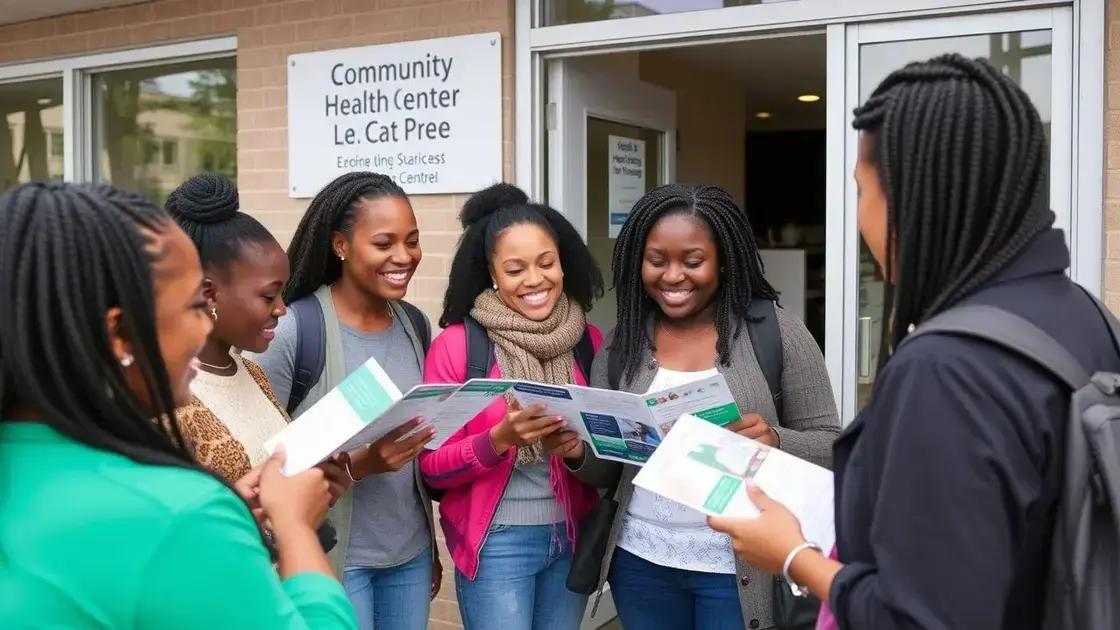
Accessing free healthcare services can be a straightforward process if you know where to start. Many programs are designed to support low-income individuals in getting the healthcare they need without financial burdens. Understanding the steps involved can simplify your journey to receiving medical help.
Steps to Access Free Healthcare Services
Here are some key steps you can take to access these valuable resources:
- Research Available Programs: Start by researching the available healthcare programs in your area. Look for state and local resources that cater to low-income adults.
- Contact Local Health Departments: Reach out to local health departments or community health centers to inquire about free services offered. They can provide detailed information specific to your area.
- Gather Necessary Documents: Collect documentation like ID, proof of income, and details about household members. These documents will assist in the application process.
- Fill Out Applications: Complete the applications for each program you’re interested in. Ensure that all information is accurate and up to date to avoid delays.
Once you’ve submitted your application, the next step is to wait for a response. Many programs will contact you directly to discuss your eligibility. During this waiting period, feel free to ask questions if you have any uncertainties. It’s important to stay informed about your application status.
Additionally, consider visiting free clinics or community health centers that do not require extensive paperwork. These centers often provide immediate care and can connect you with long-term resources if needed. Regular visits to these facilities can lead to better health outcomes since they address issues before they become serious.
Don’t forget to take advantage of online resources. Many states have websites where you can easily find information about free healthcare services. These platforms usually have user-friendly navigation to help you discover what you need swiftly. Accessibility is key, so use all available tools to support your healthcare journey.
Community resources for health support
Community resources play a crucial role in providing health support to those in need, especially for low-income individuals. These resources can help bridge the gap in healthcare access and offer various services that cater to different health needs.
Types of Community Resources Available
There are several types of community resources dedicated to health support. Here are some key examples:
- Nonprofit Health Organizations: These organizations often provide free or low-cost medical services, health education, and preventive care.
- Local Health Departments: Your local health department can provide essential services, including immunizations, family planning, and screenings for health issues.
- Support Groups: Many communities offer support groups for various health conditions. These groups provide emotional and social support to individuals and families.
- Food and Nutrition Assistance: Programs like food banks and nutrition education help improve health by ensuring access to proper nutrition.
In addition to these resources, many community centers offer workshops and classes focusing on health education. These classes can help individuals learn about healthy lifestyles and chronic disease management. Participating in these programs can empower individuals to take charge of their health.
It’s also valuable to build connections within your community. Engaging with local health advocates or volunteers can provide further insights into available resources. They can guide you to specific programs that meet your needs effectively.
Many of these resources are free or offered at a low cost, making them accessible for everyone. Don’t hesitate to reach out to community organizations to discover what support is available. Investing time in these local resources can significantly enhance your health and well-being.
Personal success stories in accessing free healthcare
Hearing personal success stories can inspire others to seek free healthcare services available in their community. Many individuals have faced challenges similar to yours and have successfully navigated the healthcare system to access the care they need.
Stories of Transformation
One remarkable story comes from a woman named Maria, who struggled with chronic health issues due to a lack of income. After learning about free healthcare clinics in her area, she decided to reach out for help. At her first visit to a community health center, she met compassionate staff who guided her through the available services.
- Access to Specialists: With the support of the clinic, Maria was able to get referrals to specialists who better understood her condition.
- Medications at No Cost: The health center provided her with access to necessary prescriptions without any out-of-pocket expenses.
- Health Education: Maria attended workshops that taught her about managing her condition, leading to significant improvements in her health.
Maria’s story is just one example of how community resources can alter lives. Another inspiring story is that of James, a father of three who worried about how to provide health coverage for himself and his family. He found information about Medicaid and quickly began the application process.
Once approved, he was amazed at how easily medical services became accessible. Routine check-ups and preventative care for his children were now within reach. James also encourages others not to hesitate in exploring their options, as he found a supportive network within his community that helped him every step of the way.
These personal stories highlight that by taking the first step, individuals can access free healthcare resources and significantly improve their health and quality of life. Many people initially feel intimidated, but discovering the power of community support can turn their experiences around.
In conclusion, free healthcare options are available and accessible for low-income adults. Many community resources offer essential services that can improve health and quality of life. Personal success stories highlight the transformative impact of these resources and encourage others to seek help. Taking the first step can lead to incredible improvements in health and well-being. Remember, you are not alone—support is out there, waiting for you.
FAQ – Free Healthcare Options for Low-Income Adults
What are free healthcare options?
Free healthcare options are programs and services designed to provide medical care at no cost to individuals with low income or limited resources.
How can I find community resources for health support?
You can find community resources by researching local health departments, nonprofit organizations, and community health centers that offer support services.
What documents do I need to apply for free healthcare?
Typically, you will need to provide proof of income, identification, and information about your household members to apply for free healthcare services.
Can success stories help motivate others to seek healthcare?
Yes, personal success stories can inspire and encourage others by showing how accessible free healthcare options can improve lives and health outcomes.