Obtaining your free credit report allows you to monitor your financial health, correct errors, and improve your credit score by identifying areas for enhancement.
Get your free credit report this year and unlock the secrets to better financial health. Have you ever wondered how your credit score impacts your life? In this article, we’ll break down the essentials of your credit report and how to harness it to your advantage.
Understanding the importance of your credit report
Understanding your credit report is crucial for making smart financial decisions. Your credit report holds essential information about your credit history, and reviewing it regularly can help you avoid surprises.
Why Your Credit Report Matters
Your credit report is a detailed account of your credit history. It shows how much debt you have, your payment history, and whether you’ve ever defaulted on a loan. These factors significantly affect your credit score, which lenders use to determine your creditworthiness.
Key Components of a Credit Report
Here are some vital parts of your credit report:
- Personal Information: This includes your name, address, Social Security number, and employment details.
- Account Information: Lists active credit accounts, balances, and payment histories.
- Public Records: This section may contain bankruptcies, tax liens, or other legal judgments.
- Inquiries: Shows how many times lenders have checked your credit report when applying for credit.
Understanding these elements can equip you with the knowledge to improve your financial situation. Regularly checking your credit report allows you to correct any errors that could negatively impact your credit score.
As you assess your report, pay attention to factors that might be pulling your score down. For instance, late payments or high credit card balances can lower your score significantly. Being proactive about correcting any inaccuracies can greatly enhance your financial health.
Don’t forget that your credit report not only affects your ability to get loans but also influences the interest rates you receive. A better score can save you money when obtaining credit, making it essential to keep yours in check.
By understanding the importance of your credit report and remaining vigilant about its contents, you empower yourself to make informed financial choices and secure better terms on credit in the future. Take the time to dive deep into your report, and don’t hesitate to reach out to credit experts if you find any discrepancies that you cannot resolve.
How to obtain your free credit report
Obtaining your free credit report is easier than you might think. Regular access to your credit report helps you stay informed about your financial health and ensures that all information is accurate. Understanding the process is the first step in taking control of your credit.
Visit AnnualCreditReport.com
The best starting point to get your free credit report is AnnualCreditReport.com. This website is authorized by the Federal Trade Commission (FTC) to provide free reports from the three major credit bureaus: Equifax, Experian, and TransUnion.
Steps to Request Your Report
Here’s how you can easily obtain your report:
- Provide your information: Fill in your personal details accurately, including your name, address, and Social Security number.
- Select your reports: Choose which credit bureaus you want your report from. You can get all three at once or space them out throughout the year.
- Verify your identity: Complete any security questions to confirm your identity. This step is vital to protect your personal information.
- Download or print: Once verified, you can download your report immediately or print it for your records.
After obtaining your report, take the time to review it thoroughly. Look for any discrepancies or unfamiliar accounts that could indicate identity theft or errors.
Additionally, ensure you know your rights regarding credit reporting. Under the Fair Credit Reporting Act, you are entitled to one free credit report from each bureau every year. You can spread these requests out over the year to monitor your credit more frequently.
Being vigilant about checking your credit report helps you maintain a healthy financial status. Stay proactive about monitoring your credit, and don’t hesitate to request your report regularly to catch any issues early on.
What to look for in your credit report
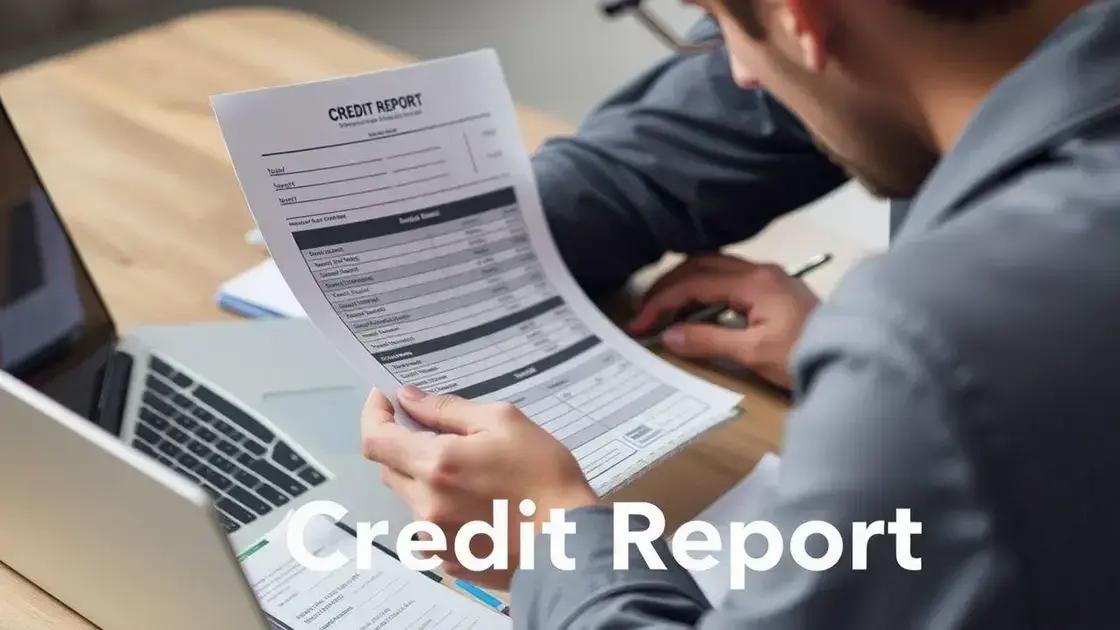 When reviewing your credit report, it’s essential to know what to look for to ensure your financial health. A well-maintained credit report can make a significant difference in obtaining loans and credit at favorable rates. By understanding the critical elements of your report, you can take proactive steps to improve your credit score.
Check for Personal Information
Start by verifying that your personal information is accurate. This includes your name, address, and Social Security number. Ensuring this information is correct can prevent issues with identity theft and inaccurate credit assessments.
Review Your Account History
Next, review your account history for each credit account listed:
- Payment History: Look for any late payments or defaults that could affect your credit score. Timely payments are crucial.
- Credit Utilization: Check how much of your available credit you are using. Keeping your utilization below 30% is generally recommended.
- Account Age: The length of time each account has been open can impact your score. Longer credit history is usually viewed more favorably.
Observing these factors will provide insight into how your credit behavior impacts your overall score. Additionally, be aware of any accounts that you do not recognize; these could indicate fraudulent activity.
Look for Inquiries
Inquiries occur when lenders check your credit report for loan applications. There are two types:
- Hard Inquiries: These occur when you apply for credit, and too many can lower your score temporarily.
- Soft Inquiries: These happen when you check your own credit or when companies pre-qualify you for offers. Soft inquiries do not affect your score.
Understanding the difference can help you manage your credit wisely.
By being diligent about checking these components, you can maintain a strong credit profile. Regularly reviewing your credit report also helps you catch errors early, allowing you to take corrective action before applying for new credit.
Common mistakes to avoid when reviewing
When reviewing your credit report, it’s essential to avoid common mistakes that could negatively impact your financial decisions. Being aware of these pitfalls can help you maintain a healthier credit profile. Taking your time to review every detail of your report ensures accuracy and helps prevent identity theft.
Rushing Through Your Report
One major mistake people make is rushing through their credit report. It’s important to take your time to read through each account and detail. Skimming over details can lead to missing errors or unclear information. Carefully examine every line to ensure everything is correct.
Ignoring Errors
If you spot an error in your report, don’t ignore it. This mistake can lead to significant issues down the road. Errors can affect your credit score and may result in higher interest rates when applying for loans. If you find inaccuracies, take prompt action to dispute them with the credit bureau.
Failing to Check All Reports
Many people believe that checking one credit report is enough. However, it’s crucial to review reports from all three major credit bureaus: Equifax, Experian, and TransUnion. Each bureau may have different information about your credit history.
- Equifax: Focuses on data collection and accuracy.
- Experian: Provides credit scores quickly and conveniently.
- TransUnion: Covers a wide range of financial behaviors.
By checking all three, you get a full picture of your credit status and can identify discrepancies between each report.
Neglecting to Monitor Regularly
Another common mistake is not monitoring your credit report regularly. Make it a habit to check your report at least once a year, or more frequently if you’re preparing for a major purchase like a home or car. Staying vigilant allows you to catch any changes early and take corrective action swiftly. Being proactive can save you money and stress later on.
Using your credit report to enhance your score
Using your credit report effectively can greatly enhance your credit score. By understanding the details in your report, you can make informed decisions that positively impact your financial future. This process requires careful analysis and strategic actions that can help improve your credit standing over time.
Identify Areas for Improvement
Start by analyzing your credit report for areas that need improvement. Look for the following factors:
- Payment History: Ensure you are making all payments on time. Late payments can severely damage your score.
- Credit Utilization: Aim to keep your credit utilization below 30% of your total credit limit. This ratio shows how much credit you are using compared to your total available credit.
- Length of Credit History: Older accounts can positively impact your score. Keep older credit accounts open even if you are not using them to maintain your credit history.
Understanding these components will help you develop a focused plan to enhance your credit score. For instance, if your credit utilization is high, consider paying down existing balances to improve this ratio.
Dispute Any Errors
If you find any inaccuracies in your report, it’s crucial to dispute them immediately. Errors can hinder your score, so take action to correct them. Follow the steps:
- Gather Evidence: Collect documentation that supports your claim.
- Contact the Bureau: Reach out to the credit bureau reporting the error and provide them with the necessary information.
- Follow Up: Keep an eye on your dispute until it is resolved.
Disputing errors helps ensure that your credit report reflects accurate information, which is vital for scoring.
Monitor Your Progress
After making changes, it’s essential to monitor your credit report regularly. Keep track of your score and how it evolves over time. Monitoring not only helps you see the impact of your efforts but also allows you to catch any new issues quickly. Regular checks mean you can stay informed and maintain your credit health effectively.
By actively using your credit report to inform your financial decisions, you take control of improving your credit score. This proactive approach ensures that your financial future remains bright and sets you on a path to achieving favorable credit terms in the future.
FAQ – Frequently Asked Questions about Credit Reports
How often should I check my credit report?
You should check your credit report at least once a year to ensure all information is accurate and up to date.
What should I do if I find an error in my credit report?
If you find an error, dispute it with the credit bureau promptly and provide any evidence to support your claim.
Can reviewing my credit report help improve my credit score?
Yes, regularly reviewing your credit report helps identify areas for improvement that can positively impact your credit score.
What are the main factors that affect my credit score?
The key factors include payment history, credit utilization, length of credit history, types of credit used, and recent inquiries.