Understanding key issues like voter turnout, social justice, and effective campaign strategies from past elections is essential for making informed decisions in election 2025.
Election 2025 is just around the corner, and you might be wondering how it will impact your life. As we gear up for this significant event, it’s crucial to stay informed about the unfolding political landscape and understand the factors influencing your vote.
Key issues shaping election 2025
As we approach election 2025, several key issues are starting to take center stage. These topics not only influence candidates’ platforms but also affect how voters perceive important policies. Understanding these issues will help you make an informed decision at the polls.
Economic Concerns
One of the most pressing concerns is the economy. Voters are eager to understand how candidates plan to address economic growth, job creation, and inflation. Each candidate’s approach to these factors will be critical in shaping the political landscape. Tax policies and healthcare costs also come into play, as they directly affect the average citizen’s quality of life.
- Strategies for job creation
- Impact of inflation on everyday expenses
- Proposals for tax reforms
In addition to economic issues, social justice movements have gained momentum and will play a vital role in election 2025. Candidates need to address concerns around inequality and police reform to resonate with a growing number of voters who prioritize these topics.
Climate Change and Environmental Policies
The urgency of climate change is another significant issue. Voters are increasingly aware of the environmental challenges we face. As a result, candidates will need to offer actionable solutions, such as promoting renewable energy and enhancing regulations on pollution.
- Plans for reducing carbon emissions
- Investments in renewable energy sources
- Policies for sustainable development
Furthermore, foreign relations are expected to influence public opinion leading up to election 2025. Voters want to know how candidates plan to navigate international conflicts and global partnerships. Issues like trade negotiations and military presence abroad will surely come up during debates and discussions.
As we look at these key issues shaping election 2025, it becomes clear that voters have a lot to consider. Understanding each candidate’s stance on these topics will empower citizens to engage in meaningful discussions and ultimately influence the outcome of the election.
Important candidates to watch
As election 2025 approaches, it’s essential to identify the important candidates who are shaping the political landscape. These individuals will significantly influence policies and the future direction of the country. Let’s take a closer look at some key candidates to watch.
Leading Figures in the Race
Several prominent figures have emerged as front-runners in the election. These candidates have distinct agendas and varied backgrounds, making their campaigns particularly interesting to follow.
- Candidate A: Known for their focus on economic reform and job creation, Candidate A has a solid platform appealing to working-class voters.
- Candidate B: With a strong stance on social justice and climate change, Candidate B resonates with younger voters and advocates for progressive policies.
- Candidate C: Bringing experience from previous leadership roles, Candidate C emphasizes stability and national security.
Each of these candidates offers unique perspectives that will influence discussions leading up to the election. Their backgrounds and priorities can provide voters with a clearer understanding of what is at stake.
Emerging Contenders
In addition to the front-runners, there are several emerging candidates who are gaining traction. Their campaigns may not yet be as prominent, but they have the potential to surprise voters and shake up the political scene.
- Candidate D: A new voice advocating for educational reform and healthcare improvements, Candidate D is attracting attention for their fresh ideas.
- Candidate E: Focused on rural issues and agricultural policies, Candidate E connects with voters in less urbanized areas.
These candidates may not currently lead in the polls, but they could influence the election’s outcome if they gain enough support from the public. Watching their progress will be crucial as they continue to develop their messages and engage with communities.
In a crowded field, understanding who the important candidates are can help voters make informed choices in election 2025. By considering their policies and public engagements, voters can better navigate the complex landscape of this election season.
How to prepare for voting
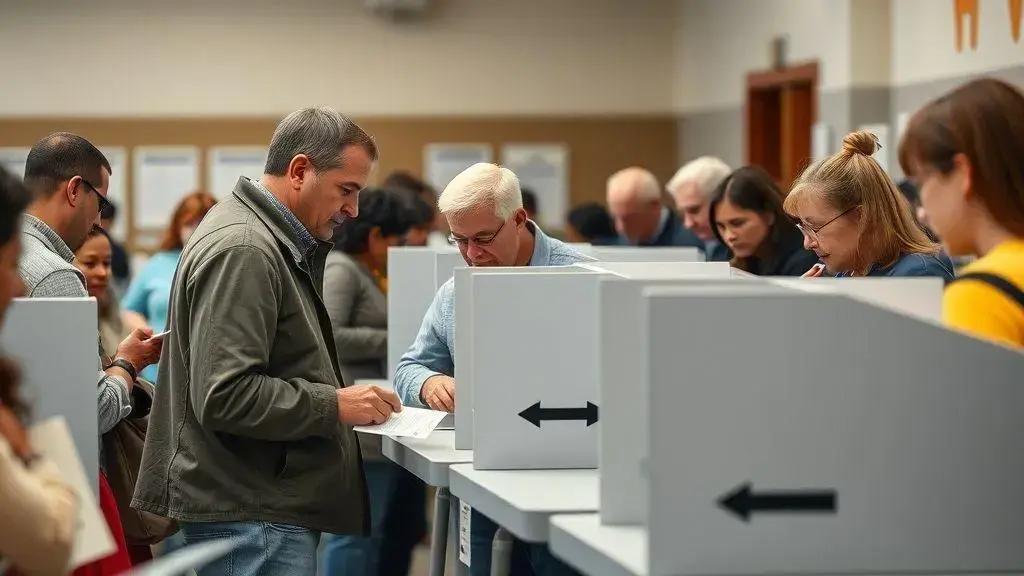
Preparing for voting in election 2025 is crucial for every citizen. Understanding the steps to take can ensure that your voice is heard. Being informed and ready can make the voting experience smooth and effective.
Check Your Registration Status
Before anything else, make sure you are registered to vote. Checking your registration status is simple and can usually be done online. If you are not registered, take action to register before the deadline to ensure you can participate.
- Visit your state’s election office website.
- Use online tools to confirm your registration.
- Register by mail or in person if needed.
Being registered is the first step, but knowing where to vote is just as important. Make sure you know your polling location and its hours. Many states allow voters to request mail-in ballots, which is another option to consider.
Educate Yourself on the Candidates and Issues
Understanding who and what you are voting for can significantly impact your choice. Research the candidates and their positions on key issues. Look for sources that present unbiased information, helping you form your opinion.
- Read candidates’ platforms on their official websites.
- Look for non-partisan voter guides.
- Consider attending local candidate forums to hear from them directly.
Additionally, learn about ballot measures or propositions that may appear on your ballot. These can affect your community and state, so being informed is vital for making a well-rounded decision.
Plan Your Voting Day
On election day, have a plan. Decide whether you will vote in person or by mail. If you are voting in person, plan your day around your polling hours. Consider going early to avoid long lines and ensure you have enough time to cast your vote without feeling rushed.
- Prepare necessary identification if your state requires it.
- Bring any materials that help remind you of your choices.
- Consider carpooling with friends to make it a community event.
Lastly, stay engaged and keep up with any last-minute changes that may impact your voting plans. Being proactive will help you navigate the process of voting in election 2025 efficiently.
The role of social media in campaigns
Social media has transformed how political campaigns operate. In election 2025, its role is more crucial than ever. Candidates are using various platforms to connect with voters, share their messages, and mobilize support.
Engagement with Voters
One major aspect is the ability to engage directly with voters. Social media allows candidates to hold live Q&A sessions, share updates, and respond to questions instantly. This creates a more personal connection between candidates and their supporters.
- Real-time feedback from followers.
- Interactive discussions on key issues.
- Opportunities to showcase community events.
This level of engagement can help candidates build a loyal following and gather grassroots support. Many voters now expect candidates to have a strong online presence.
Targeted Advertising
Another benefit of social media is targeted advertising. Candidates can use data analytics to reach specific demographics. By tailoring their messages to different audiences, they increase their chances of resonating with various voter groups.
- Ads can be directed to specific age groups.
- Messages can focus on local issues relevant to certain communities.
- Retention of audience interests through ad customization.
These tactics can maximize a campaign’s impact and ensure that critical messages reach potential supporters effectively. As election 2025 approaches, expect campaigns to invest heavily in these strategies.
Building a Narrative
Social media also helps in shaping the narrative around a candidate. Through consistent messaging, candidates can communicate their values and priorities. Campaign teams can create compelling stories that resonate with voters, portraying their candidate positively.
Additionally, the rise of influencers and online communities can amplify these narratives. Influencers often have substantial followings and can sway public opinion through endorsements or discussions about candidate messages.
What past elections can teach us
Looking back at past elections can provide valuable insights into the dynamics of election 2025. By understanding the patterns and outcomes from previous races, voters can better navigate the current political landscape.
Voter Turnout Trends
One critical lesson from past elections is the importance of voter turnout. Historical data shows that higher turnout rates often favor one party over another. For example, significant elections like the 2008 presidential race saw increased participation from young voters and minorities, greatly impacting the outcome.
- Understanding demographics of previous elections can help predict turnout.
- Mobilizing less-represented groups can shift the results.
- Engagement strategies that worked in the past can be adapted for today.
This information can help candidates tailor their messages and mobilization efforts, ensuring that their campaigns resonate with targeted groups.
Impact of Social Issues
Another takeaway is the impact of social issues on voter preferences. For instance, elections that focused on healthcare or civil rights often highlighted how deeply these issues resonate with voters. In election 2025, candidates should keep a close eye on societal movements and how they affect public sentiment.
- Candidates engaging with social justice issues may attract younger voters.
- Healthcare proposals below voters’ expectations can diminish support.
- Staying relevant with pressing issues can enhance campaign effectiveness.
Recognizing these factors can help candidates craft platforms that align with public concerns, increasing their appeal to a broad voter base.
Lessons on Campaign Strategies
Additionally, past elections show the effectiveness of various campaign strategies. For example, the use of targeted advertising and social media engagement has gained traction in recent years. Candidates who have effectively utilized these platforms have seen significant gains in outreach.
Furthermore, lessons from campaigns that failed to connect with voters illustrate the pitfalls to avoid. Whether through lack of transparency or failing to address constituents’ needs, understanding these shortcomings can lead to a more successful campaign.
Understanding the lessons from past elections helps us prepare for election 2025. By examining voter turnout, social issues, and effective campaign strategies, both candidates and voters can make informed decisions. Engaging with these insights will enable voters to choose representatives who reflect their values and priorities, ensuring a robust democratic process.
FAQ – Frequently Asked Questions about Election 2025
Why is voter turnout important for election outcomes?
Higher voter turnout usually favors certain parties and indicates strong public engagement, impacting overall election results.
How can social issues influence my voting decision?
Social issues often resonate deeply with voters, and understanding candidate positions on them can clarify which candidates align with your values.
What role does social media play in modern campaigns?
Social media enables candidates to connect directly with voters, tailor messages to specific demographics, and share their platforms widely.
What can I learn from past elections?
History shows that analyzing voter turnout, campaign strategies, and social issues can help inform current voting decisions and understand potential outcomes.