The jobless rate indicates the percentage of the labor force that is unemployed, influenced by factors like economic shifts, technological advancements, and global events, impacting consumer spending and government resources.
The jobless rate is more than just a number; it shapes our economy and personal lives. Have you considered how fluctuations in this rate might impact your career or business strategies? Let’s explore its significance together.
Understanding the current jobless rate
Understanding the current jobless rate is crucial for anyone looking to navigate their career successfully. It’s more than just a statistic; it reflects the health of our economy and affects everyone. Knowing where we stand can help you make informed decisions about your future.
What Factors Influence the Jobless Rate?
Several factors play a role in determining the jobless rate, including economic shifts and government policies. This understanding can guide job seekers in adapting their strategies to find employment. For instance, during economic downturns, certain industries may face higher unemployment.
- Economic fluctuations
- Seasonal employment variations
- Changes in government policies
- Technological advancements affecting job availability
It’s also important to be aware of how these factors change over time. As new industries emerge, the landscape of jobs evolves. This can create opportunities in areas previously thought to have limited prospects.
How to Stay Informed About Jobless Rates
Keeping up with the latest trends in the job market is essential. This information can provide you with a competitive edge when searching for a job. Utilize reliable sources, such as government reports or economic analyses, to stay current.
- Follow government labor statistics
- Subscribe to economic news updates
- Engage with community workforce programs
Active engagement in these areas helps you understand the nuances of the current jobless rate and gives you insights into potential job openings. By staying informed, you can assess when is the best time to enter the job market or even consider retraining in a growing field.
Historical trends in joblessness
Examining the historical trends in joblessness helps us understand the factors that have shaped the current employment landscape. By looking at past data, we can better anticipate potential future changes in the job market.
Understanding Economic Cycles
Throughout history, economies have experienced cycles of growth and recession. Each cycle has distinct impacts on job availability. During periods of economic boom, joblessness tends to decrease, while recessions often lead to increased unemployment.
- Expansion periods reduce jobless rates
- Recession phases spike jobless rates
- Seasonal employment affects trends
- Technological changes reshape job markets
For example, the Great Recession of 2008 significantly impacted jobless rates across many sectors. Understanding these cycles can provide insights into how to prepare for future employment shifts.
Long-term Changes in Jobless Rates
Over the decades, some trends have emerged that affect joblessness over the long term. Globalization, technological advancements, and shifts in consumer preferences have all contributed to changing job availability.
- Shift from manufacturing to service jobs
- Emergence of gig economy roles
- Increased demand for tech-related positions
As industries evolve, workers may need to adapt by gaining new skills. Staying current with these trends allows job seekers to align their skills with market demands, ensuring better job prospects.
Impact of jobless rates on economy
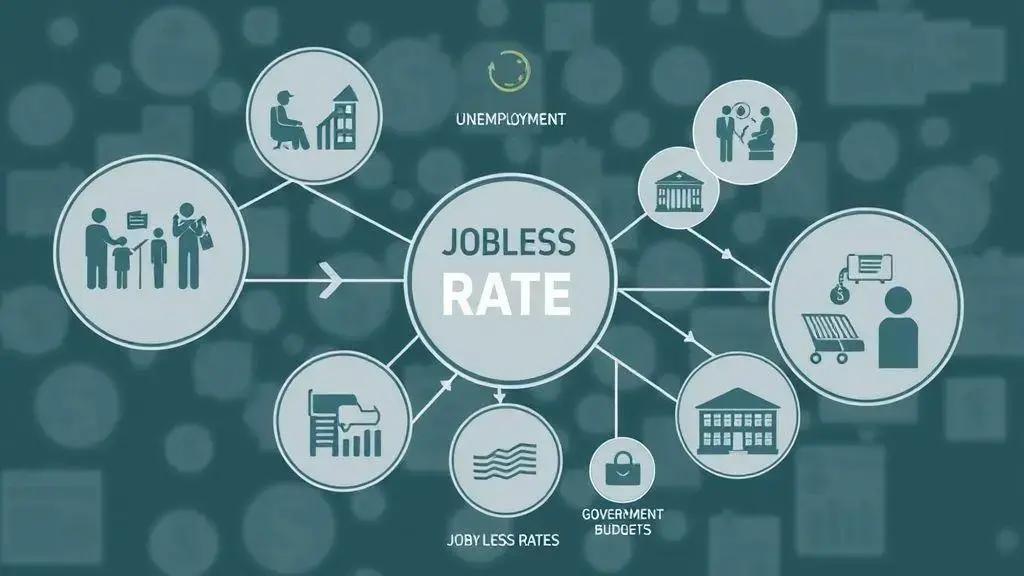
The impact of jobless rates on the economy is profound and multifaceted. When joblessness rises, it not only affects individuals but also the larger economy. Understanding these effects is essential for grasping how employment shapes financial stability.
Direct Effects on Consumer Spending
High jobless rates often lead to decreased consumer spending, which can slow economic growth. When people lose their jobs, they have less disposable income to spend on goods and services. This reduction in spending creates a ripple effect through the economy.
- Less spending leads to lower sales for businesses
- Businesses may cut back on hiring or wages
- Reduced demand can impact production
When companies face decreased sales, they may lay off more employees, creating a cycle of increasing unemployment.
Wider Economic Consequences
Beyond individual consumers, a high jobless rate can strain public resources. Governments may need to increase funding for unemployment benefits, which can lead to budget deficits.
- Higher unemployment benefits place a burden on government budgets
- Redirection of funds from infrastructure to support unemployed individuals
- Long-term investment in education and training can suffer
Moreover, prolonged joblessness can stifle innovation, as companies hesitate to invest in new projects when economic uncertainty is high. This apprehension can lead to slower economic recovery.
Strategies for job seekers during high unemployment
For job seekers, navigating a landscape of high unemployment can be challenging. However, adopting the right strategies can greatly enhance your chances of finding work during tough economic times. Understanding what to do can help you stand out in the job market.
Networking Opportunities
One of the most effective strategies involves leveraging your network. Building connections can lead to job openings that aren’t advertised to the general public. Engaging with your network allows you to tap into hidden job markets.
- Attend industry events or job fairs
- Utilize social media platforms like LinkedIn
- Inform friends and family about your job search
Networking can sometimes lead to referrals, which often carry more weight than cold applications.
Upgrading Your Skills
During periods of high unemployment, many employers look for candidates with specific skills. Taking the time to enhance your qualifications can make you more attractive to potential employers. Consider enrolling in online courses or attending workshops.
- Focus on in-demand skills in your industry
- Consider certifications that enhance your employability
- Volunteer to gain new experiences
By doing so, you not only improve your resume but also demonstrate your commitment to personal growth, which employers value.
Tailoring Applications
When applying for jobs, presenting a customized resume can significantly increase your success rate. Tailoring your application to each job description shows employers that you are genuinely interested in the position.
- Highlight relevant experience and skills
- Use keywords from the job listing
- Include a personalized cover letter
This strategy helps you match your qualifications with what employers are looking for, making your application more compelling.
Future predictions for jobless rates
Future predictions for jobless rates can be complex due to various economic factors. However, understanding potential trends can help job seekers and policymakers prepare for changes in the labor market.
Economic Indicators to Watch
Several key economic indicators can provide insights into expected jobless rates. Monitoring these indicators can give you a sense of where the job market is heading. Inflation rates, GDP growth, and employment creation numbers are crucial to keep an eye on.
- Rising inflation may lead to higher interest rates
- Slow GDP growth often correlates with increased unemployment
- Job creation statistics help predict job market strength
By evaluating these trends, you can gain a clearer picture of how joblessness might evolve in the coming years.
Technological Advancements and Job Markets
Technology will also play a significant role in shaping future joblessness. Automation and artificial intelligence continue to transform industries, potentially leading to job displacement in certain sectors. However, these advancements may also create new job opportunities in tech-driven fields.
- Increased automation can replace routine jobs
- New roles will emerge, requiring tech-savvy skills
- Reskilling will be essential for displaced workers
Adapting to these changes helps both workers and businesses stay competitive in a shifting economic landscape.
Global Economic Trends
Global events can significantly impact local joblessness. Geopolitical tensions, trade agreements, and pandemics demonstrate how interconnected our economies are. Predicting future jobless rates requires consideration of these broader trends.
- Global supply chain disruptions can lead to job losses
- New trade agreements can create job opportunities
- Pandemics can cause sudden spikes in unemployment
By looking at the global picture, we can better understand the potential fluctuations in jobless rates.
In conclusion, understanding the current trends and future predictions for jobless rates is essential for both job seekers and policymakers. By focusing on networking, skill upgrading, and adapting to economic shifts, individuals can navigate the challenges of high unemployment more effectively. Additionally, being aware of global influences and technological changes can help people make informed decisions about their careers. Staying proactive and adaptable during these times will be key to securing employment in a constantly evolving job market.
FAQ – Frequently Asked Questions About Jobless Rates
What factors affect jobless rates?
Jobless rates can be influenced by economic cycles, inflation, and technological advancements that impact job availability.
How can I improve my chances of finding a job during high unemployment?
Networking, upgrading your skills, and tailoring your applications can significantly enhance your job search success.
What should I monitor to predict future jobless rates?
Keep an eye on economic indicators such as GDP growth, job creation statistics, and inflation rates to predict changes in unemployment.
How does technology impact future joblessness?
While technology can displace certain jobs, it also creates new opportunities, requiring adaptation and reskilling for affected workers.