Wage hike proposals across the country aim to raise worker salaries, reflecting regional economic conditions, social demands for fairness, and the impact of increasing living costs.
Wage hike proposals across the country have sparked conversations about fair pay and economic growth. Are these changes something to welcome or worry about? Let’s dive into the details.
Understanding wage hike proposals
Understanding wage hike proposals is essential for grasping today’s economic discussions. These proposals aim to increase worker pay, often sparking debates about fairness, livability, and economic impacts.
What Are Wage Hike Proposals?
Wage hike proposals refer to plans or initiatives meant to raise the minimum wage or worker salaries within a specific region or industry. These proposals are often influenced by factors such as inflation, cost of living, and labor market conditions.
Key Reasons for Wage Hike Proposals
Many organizations and lawmakers support these increases for several reasons:
- To combat rising living costs.
- To ensure fair compensation for workers.
- To reduce poverty levels.
- To stimulate economic growth.
Understanding the motivations behind wage hikes helps decipher the broader economic landscape. Advocates believe that higher wages can elevate the standard of living, allowing workers to support their families better.
Meanwhile, opponents often voice concerns about the implications for businesses, particularly small ones. They worry that increased labor costs could lead to job cuts or higher prices for goods and services.
The Role of Government
Government plays a crucial role in implementing wage hike proposals. Lawmakers must consider various factors, including public opinion and economic forecasts, before making decisions. At the same time, local governments might introduce their initiatives tailored to specific community needs.
The discussion around wage hike proposals is complex and multi-faceted. It reflects various perspectives and interests, highlighting the balance between ensuring fair pay and the economic viability for businesses. By understanding these nuances, stakeholders can better engage in meaningful conversations about the future of wages.
The impact on workers and families
The impact of wage hikes on workers and their families can be significant. When wages increase, it can lead to better living standards and improved overall well-being.
Benefits of Wage Increases
One of the immediate benefits of higher wages is the ability for families to afford basic needs. It allows them to:
- Pay for housing and utilities without stress.
- Purchase healthy food options.
- Access better healthcare services.
- Invest in their children’s education.
As families experience financial relief, they often feel more secure in their daily lives. This security can lead to lower stress levels and improved mental health.
Economic Growth and Spending
Increased wages can also boost local economies. When workers have more money, they tend to spend more in their communities. This can lead to:
- Higher demand for goods and services.
- Job creation as businesses expand.
- A boost in local tax revenues for public services.
As spending increases, it creates a cycle of growth that benefits workers and businesses alike. However, it’s essential to remember that wage increases might have varying effects depending on the region and industry.
Moreover, wage hikes can lead to discussions about work-life balance. With better pay, employees might feel more empowered to take time off for family matters, leading to improved family dynamics and healthier lifestyles. Higher wages can also attract better talent to companies, as skilled workers look for positions that offer fair compensation.
Regional differences in wage discussions
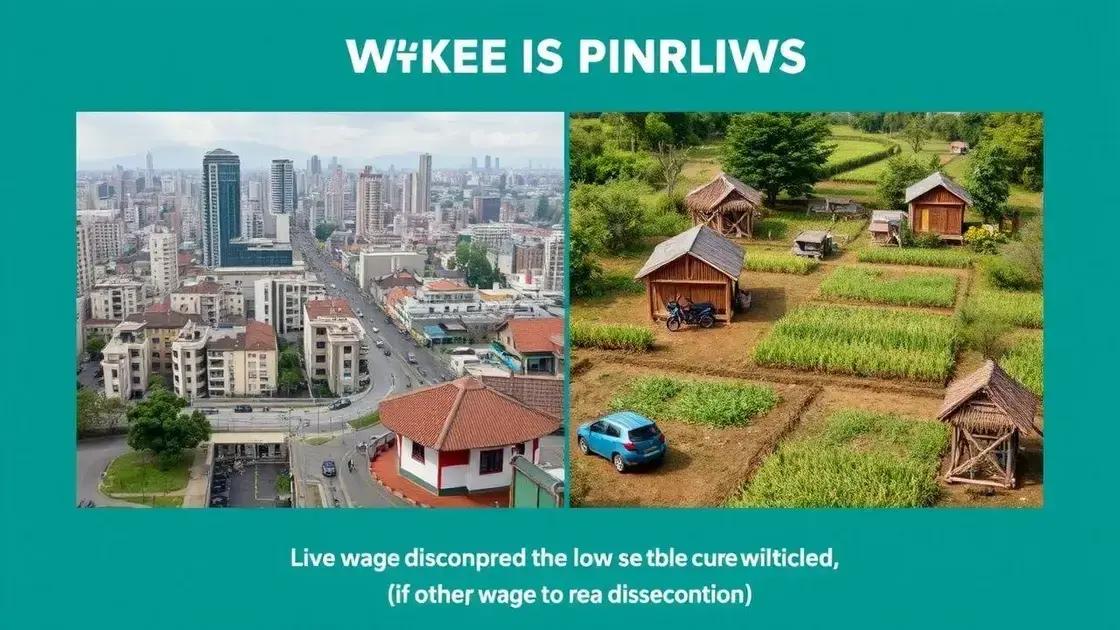
Regional differences in wage discussions play a vital role in understanding the broader picture of wage hike proposals. Different areas face unique economic circumstances that influence how wages are set and negotiated.
Factors Affecting Regional Wage Differences
Several factors contribute to the disparities in wage discussions across the country. Some of these include:
- The cost of living in different regions.
- Local industry demands and job availability.
- State and local labor laws.
- Cultural attitudes towards work and compensation.
In high-cost areas, like major cities, employers may need to offer higher wages simply to attract and retain talent. For example, a restaurant worker in New York might earn significantly more than a similar worker in a smaller town. This is often due to the need to cover higher living expenses.
The Role of Local Governments
Local governments also play a critical role in shaping wage policies. Some regions actively push for higher minimum wages, while others may resist these changes due to fear of harming local businesses. For instance, cities that have instituted a $15 minimum wage often see heated debates about the economic impacts, especially on small enterprises.
Moreover, state policies can vary widely. In some states, minimum wage laws are set at a level that exceeds the federal minimum, reflecting local economic conditions. In contrast, others adhere strictly to the federal guidelines. This can create a patchwork of wage standards that affect workers differently based on where they live.
Finally, public opinion in different regions often shapes wage discussions. Citizens may advocate for higher wages due to increased awareness of income inequality or support for workers’ rights. Activism and lobbying can lead to significant changes in wage legislation and workplace conditions.
Debates surrounding minimum wage increases
Debates surrounding minimum wage increases have become a hot topic across the country. These discussions often involve various stakeholders, each presenting unique perspectives on the implications of raising the minimum wage.
Arguments For Minimum Wage Increases
Advocates for raising the minimum wage argue that it helps improve the quality of life for workers. They believe that:
- Higher wages can reduce poverty and inequality.
- Workers will have more disposable income, boosting local economies.
- Increased wages can lead to higher productivity and reduced turnover in businesses.
This perspective emphasizes the idea that a fair wage allows families to thrive, leading to better health and educational outcomes.
Counterarguments Against Increases
On the other hand, opponents of minimum wage increases often raise concerns about potential negative impacts. Their arguments include:
- Higher wages may lead businesses to cut jobs or reduce hours.
- Small businesses might struggle to afford the increased labor costs.
- Some believe that raising the minimum wage could lead to increased prices for consumers.
These concerns highlight a fear that while some workers may benefit, others could suffer as businesses adjust to the financial strain.
Another key aspect of the debate involves regional differences. What works in one area may not be appropriate in another, leading to calls for localized solutions. The idea is that wage policies should reflect the cost of living and economic conditions unique to each region.
Ultimately, the discourse surrounding minimum wage increases reflects a complex interplay of economic theories, real-life consequences, and ethical considerations. By engaging in these debates, communities can seek to find equitable solutions that support both workers and businesses.
Future trends in wage policies
Future trends in wage policies are likely to be shaped by evolving economic conditions and social demands. As the workforce changes, so do the expectations around fair compensation and labor rights.
Increased Focus on Fair Wages
As public awareness about inequality grows, more pressure is being placed on employers and policymakers to ensure fair wages. Many activists advocate for not just higher wages, but also for wages that reflect the living costs in different regions. This movement aims to create a more equitable system for all workers.
Integration of Technology and Remote Work
The rise of technology and remote work is changing how wages are determined. As remote positions become more common, companies are reevaluating pay scales. Employers realize that they must offer competitive salaries to attract and retain top talent, regardless of geographic location. This means that wage policies may increasingly account for skills and productivity, rather than the traditional model based on location.
Furthermore, technology allows for new ways to monitor and evaluate employee performance, which could lead to more dynamic compensation models. For example, pay could be adjusted based on performance metrics or project outcomes, making wages more flexible.
Legislation and Policy Changes
Future wage policies may also be influenced by legislation at both state and federal levels. Discussions around raising the minimum wage are likely to continue, as advocates push for more substantial changes to address poverty and support low-income workers. Changes in labor laws, such as regulations on gig and contract work, may also impact wage structures significantly.
As companies seek to comply with new regulations, we might see more organizations adopting transparent pay practices. This could help to ensure equity and prevent discrimination in wage-setting. Additionally, employee benefits may evolve, focusing more on holistic well-being rather than just salary.
FAQ – Frequently Asked Questions about Wage Hike Proposals
What are wage hike proposals?
Wage hike proposals are initiatives aimed at increasing worker salaries, often driven by the need for fair compensation and improved living standards.
How do wage increases affect the economy?
Higher wages can boost local economies by increasing consumer spending, which helps businesses grow and creates new jobs.
What factors influence wage discussions in different regions?
Regional wage discussions are influenced by local cost of living, industry demands, labor laws, and cultural attitudes towards work.
What are some future trends in wage policies?
Future trends may include more emphasis on fair wages, the impact of technology on remote work, and potential changes in legislation affecting minimum wage.