The presidential race is heavily influenced by candidates, voter turnout, media coverage, and social media engagement, all of which shape public perception and electoral outcomes.
The presidential race is always a time of excitement and uncertainty. As candidates gear up for the elections, many factors come into play that can influence the outcome. Are you ready to dive into what makes this race unique?
Understanding the electoral process
Understanding the electoral process is key for every voter. It involves several steps that ensure a fair and democratic election. To grasp how your vote matters, let’s break it down.
Key Phases of the Electoral Process
The electoral process consists of various phases, each playing a crucial role. Awareness of these phases can empower you as a voter.
- Registration: Before you vote, you need to register. Each state has its own rules.
- Primaries and Caucuses: These events help determine the candidates who will run in the general election.
- General Election: This is when voters choose among the final candidates. Your vote counts!
- Electoral Votes: In the U.S., the Electoral College determines the winner based on the votes from each state.
Knowing how these elements work together is essential. For instance, during the primaries, different states select their candidates. This can shape the choice you’ll have in the general election. Understanding the Electoral College is also important. While you may vote, it’s these electors who ultimately decide the presidency. This unique system can sometimes lead to situations where the popular vote differs from the electoral outcome.
The Importance of Voter Education
Educating yourself about the electoral process can make a significant difference. It can enhance your confidence in participation. Voter education means being aware of deadlines and rules regarding registration. Also, knowing how to research candidates and their platforms will help you make informed decisions.
Moreover, when citizens understand the electoral process, they can engage in their communities more effectively. They can motivate others to vote, and advocate for changes to improve the system. This engagement contributes to a healthier democracy.
Ultimately, the electoral process is not just about voting; it’s an entire system designed to give citizens a say. By understanding it, you’re not only casting a vote but also taking part in shaping your future. The next time elections roll around, you’ll know how every piece fits into this puzzle.
Key candidates to watch closely
When considering the presidential race, paying attention to the key candidates is crucial. These individuals often shape the conversation and direction of political issues. By following them, you can understand emerging themes and the priorities that may affect your vote.
Current Front-Runners
In any election, some candidates rise to the top due to their popularity and campaign strategies. These front-runners typically have substantial backing and their messages resonate with a large audience.
- Candidate A: Known for their progressive platform, Candidate A focuses on issues like healthcare and climate change.
- Candidate B: This candidate appeals to traditional values and promotes economic growth as a top priority.
- Candidate C: With a background in education reform, Candidate C targets younger voters and advocates for student debt relief.
Watching these candidates closely helps voters grasp the different philosophies that may govern their future. Social media and debates become the battlegrounds where these messages are tested and refined. During debates, candidates articulate their positions clearly, allowing voters to compare their values and policies. Each candidate faces the challenge of standing out in a crowded field.
Emerging Candidates
In addition to established front-runners, it’s essential to keep an eye on emerging candidates. These individuals can shake up the status quo and introduce new ideas to the race. Some may not have widespread recognition initially but can gain momentum quickly.
Engagement with these candidates can offer fresh perspectives. For example, many emerging candidates utilize digital platforms effectively, connecting directly with younger audiences. This grassroots approach can mobilize support and challenge traditional political dynamics.
By understanding who the key candidates are and what they stand for in the presidential race, voters position themselves to make informed decisions. Engaging in discussions and debates about these candidates fosters a more vibrant political environment.
Voter turnout trends and their impact
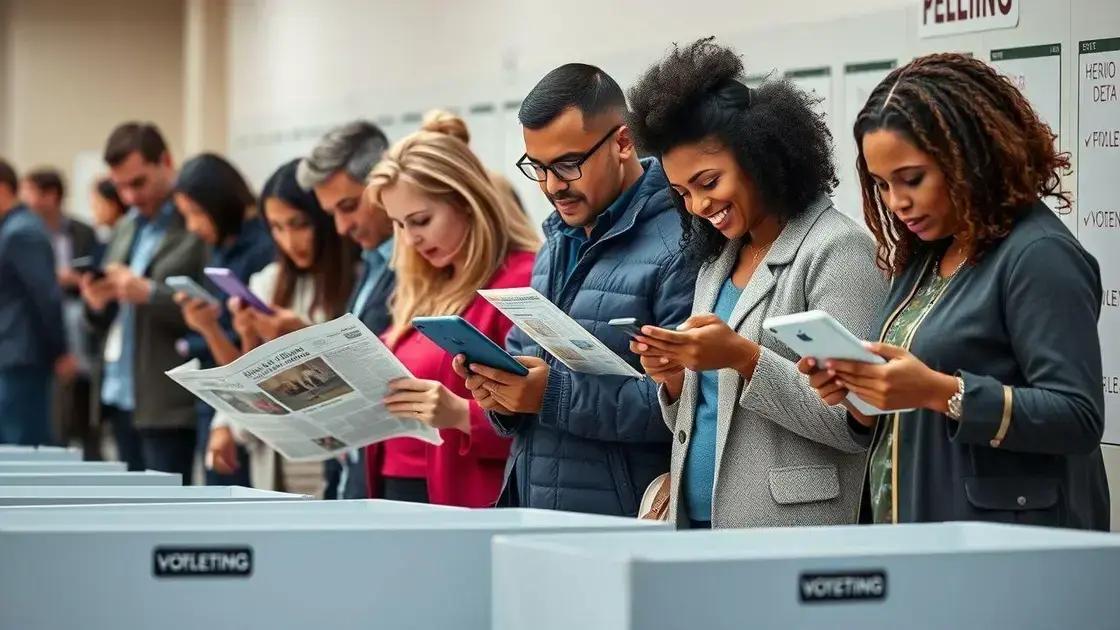
Voter turnout trends significantly affect the outcome of elections. Understanding these patterns helps explain how different groups engage in the presidential race. Various factors can influence whether a voter decides to participate.
Factors Affecting Voter Turnout
Multiple elements contribute to how many people show up to vote. These can range from legal requirements to social influences.
- Registration laws: In some states, strict registration laws can discourage participation.
- Election day accessibility: The convenience of polling places can impact voter turnout.
- Voter demographics: Younger voters often have lower turnout rates compared to older voters.
- Political engagement: Strong feelings about issues can motivate people to vote.
Trends often show that when voters are passionate about a candidate or issue, turnout increases. Conversations around critical matters, like healthcare or education, motivate people to head to the polls. In contrast, apathy towards candidates can lead to lower participation rates.
Impact of Turnout on Elections
The turnout rate notably influences election outcomes. High turnout typically favors candidates who focus on mobilizing grassroots initiatives. That’s often seen in younger or first-time voters. Conversely, lower turnout can lead to victories for candidates with dedicated, established bases.
Analyzing previous elections shows that areas with high engagement often reflect different political attitudes. If you compare turnout across various demographics, you might find certain groups consistently rallying for specific parties. This trend highlights the importance of targeting messages to inspire more people to vote.
In summary, understanding voter turnout trends can provide insight into future elections. When individuals recognize their power, the impact on the political landscape can be profound. By fostering environments that encourage participation, we can shape the democratic process for all.
Debates: Shaping public perception
Debates play a crucial role in shaping public perception during the presidential race. These events provide candidates an opportunity to present their views and connect with voters. By observing candidates in real-time, voters can assess their ideas and personalities.
The Role of Debates
Debates are not just about policy discussions; they also influence how candidates are perceived by the public. A strong performance can boost a candidate’s image considerably, while a poor one may lead to a decline in support. During these exchanges, candidates showcase their knowledge, respond to criticisms, and outline their plans.
- Impact on polling: Following debates, polls often reflect shifts in support as voters reassess their choices.
- Media coverage: The way debates are reported can further shape public opinion. Media narratives can amplify certain moments from the debate.
- Voter engagement: Debates can energize the electorate, drawing attention to critical issues and encouraging discussions among voters.
Each debate is an opportunity for candidates to focus on specific issues that matter to the electorate. Discussions around healthcare, the economy, and education help clarify different approaches to governance. This clarity allows voters to align their values with candidates’ platforms.
Memorable Moments
Throughout history, some debates are remembered for pivotal moments. A single statement or encounter can define a candidate’s campaign. For instance, unexpected exchanges can lead to viral moments that capture public attention. These moments can provide insight into a candidate’s character and ability to handle pressure. They often become a part of the electoral narrative that voters reflect on when making their decisions.
In addition, debates help highlight contrasts between candidates. When they respond to questions and challenge one another, voters can see differing perspectives that may influence their choices. This dynamic also engages viewers, as they become emotionally invested in the discussion.
Overall, debates serve as a vital part of the electoral process, allowing voters to evaluate candidates comprehensively. By tuning in, you take part in the democratic process, making informed choices based on the candidates’ performances.
The role of social media in elections
The role of social media in elections has transformed how candidates connect with voters. It has become a crucial tool in the presidential race. Through platforms like Twitter, Facebook, and Instagram, candidates can share their messages rapidly and engage directly with the public.
Connecting with Voters
Social media allows candidates to communicate in real time. This connectivity creates a sense of intimacy between candidates and voters. Voters can follow updates, watch live streams, and interact through comments. This direct communication can foster loyalty and trust.
- Instant Feedback: Candidates receive immediate responses to their posts, helping them gauge public opinion.
- Targeted Advertising: Social media enables candidates to target specific demographics with tailored messages.
- Viral Content: Memes and short videos can spread quickly, making key points memorable and engaging.
Furthermore, social media helps highlight critical issues. During elections, many voters turn to these platforms to learn about candidates’ positions. It offers a space for dialogue about pressing topics such as healthcare, education, and climate change. By discussing these issues online, candidates can attract undecided voters who are exploring their options.
Challenges and Risks
While social media offers many benefits, it also poses challenges. Misinformation can spread rapidly, which can confuse voters. False information about candidates or voting processes can lead to apathy among voters and impact turnout.
Additionally, the algorithms that determine what users see can create echo chambers. This phenomenon can reinforce existing beliefs instead of fostering open-minded discussions. As a result, social media can polarize opinions and deepen divides.
Overall, the influence of social media on elections is profound. It reshapes how campaigns are run and how voters perceive candidates. While it provides exciting opportunities for engagement, it also requires critical thinking from voters to navigate the landscape effectively.
FAQ – Frequently Asked Questions about the Presidential Race
How do debates influence voter decisions?
Debates allow candidates to showcase their policies and personality, directly impacting how voters perceive them.
What role does social media play in elections?
Social media connects candidates with voters instantly, helping to disseminate information and engage the electorate.
Why is voter turnout important?
Higher voter turnout often reflects greater civic engagement and can determine the outcome of elections.
How can misinformation affect elections?
Misinformation can confuse voters, leading to apathy and potentially decreasing trust in the electoral process.