The U.S. vote is a vital civic duty that empowers citizens to influence government decisions, with key aspects including the importance of participation, understanding voter rights, and the impact of technology on the electoral process.
U.S. vote is more than just a phrase; it’s the heartbeat of democracy. Have you ever wondered how voting influences every aspect of American life? Let’s dive into its significance and what it means for us today.
The history of voting in the U.S.
The history of voting in the U.S. is rich and complex. It reflects the nation’s journey toward a more inclusive democracy. From the very beginning, voting has been a fundamental right that shapes the American landscape.
In the early years, only white male landowners could vote. This exclusion created a call for reform, leading to major changes in voting laws. Over time, the struggle for suffrage became central to the U.S. identity.
Major milestones in voting history
Throughout American history, several key amendments and acts have transformed access to the ballot:
- The 15th Amendment (1870) granted African American men the right to vote.
- The 19th Amendment (1920) ensured women’s suffrage.
- The Voting Rights Act (1965) aimed to eliminate barriers that prevented African Americans from voting.
These milestones reflect a broader trend towards expanding suffrage. With each victory, more voices were heard in the democratic process. Communities rallied, and movements emerged to fight for fair voting rights.
The effects of these changes
The expansion of voting rights has had a profound impact on the U.S. today. More diverse populations are represented in governance, and elections are increasingly reflective of the nation’s demographics. This inclusivity fosters a sense of belonging among citizens.
However, the fight for fair voting continues. Challenges remain, such as gerrymandering and voter suppression, which threaten to undermine the rights won through decades of activism. Understanding this history is essential to navigating the current landscape of voting in America.
Key events that changed the voting landscape
Throughout history, several key events have significantly changed the voting landscape in the U.S. These events have shaped laws, improved access, and brought forth new challenges. Understanding these moments helps us appreciate the complexity of the voting process today.
The Suffrage Movement
In the mid-19th to early 20th centuries, the suffrage movement gained momentum. Women fought tirelessly for their right to vote. Major events like the Seneca Falls Convention in 1848 set the stage. This movement culminated in the passage of the 19th Amendment in 1920, granting women the right to vote.
The Civil Rights Movement
The Civil Rights Movement of the 1960s brought attention to racial discrimination in voting. Activists organized marches and protests. One pivotal moment was the Selma to Montgomery march in 1965, which highlighted the struggle for African American voting rights. This activism led to the Voting Rights Act of 1965, prohibiting racial discrimination in voting.
- Passed the federal law to protect voting rights.
- Eliminated literacy tests that disenfranchised voters.
- Increased voter registration in previously underrepresented communities.
Over the years, events such as these shaped the political landscape. Each key event demonstrates the ongoing struggle for equitable access to the ballot. Today, voting rights continue to be a topic of national discussion as new challenges arise.
As legislation evolves, the influence of public opinion remains strong. Activist movements and new laws respond to contemporary concerns, ensuring that the fight for fair voting remains alive. Understanding these key events empowers us to engage meaningfully in the democratic process.
Understanding voter rights and legislation
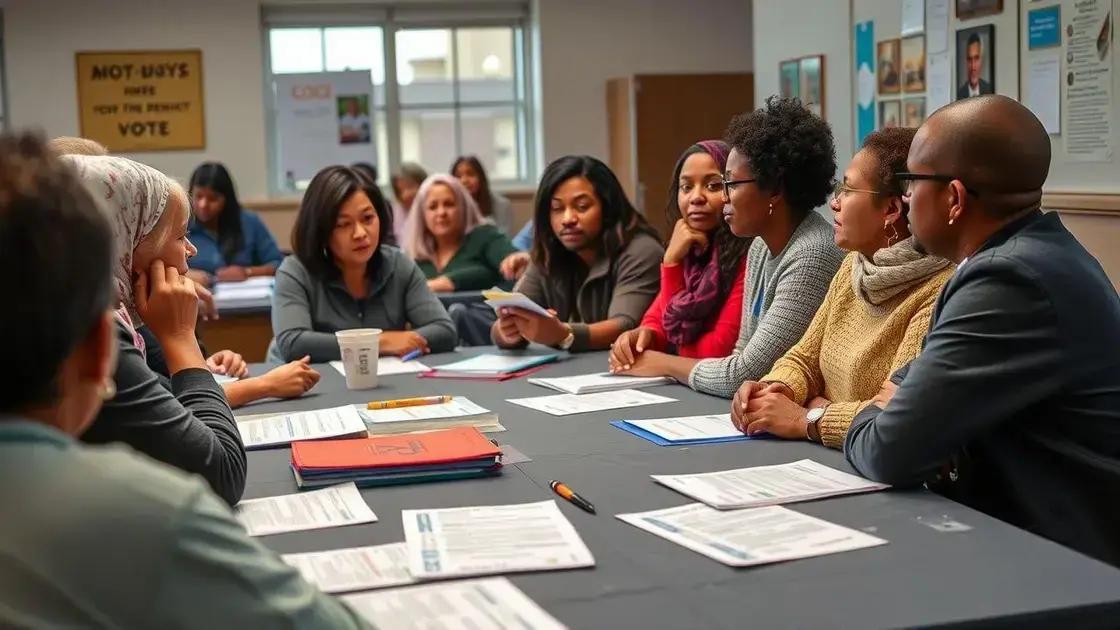
Knowing about voter rights and legislation is essential in a democracy. These rights ensure that every eligible citizen can participate in elections. Understanding these laws helps people grasp how they can exercise their rights effectively.
Key legislation affecting voter rights
Several important laws shape the voting landscape in the U.S. Over the years, these laws have aimed to protect the rights of all citizens:
- The Voting Rights Act of 1965: This landmark legislation aimed to eliminate racial discrimination in voting.
- The Help America Vote Act of 2002: Introduced reforms to improve voting systems and ensure fair access.
- The National Voter Registration Act of 1993: Expanded voter registration opportunities, making it easier for citizens to register.
These laws have made a significant impact on how Americans engage with the voting process. They address barriers that previously kept many people from the polls.
Voter ID laws and their implications
Recently, some states have implemented voter ID laws. These laws require voters to present identification when voting. Supporters argue that these laws prevent fraud, while critics say they can disenfranchise eligible voters, especially among marginalized groups. It’s crucial to stay informed about these laws as they can affect voter turnout.
Furthermore, understanding how legislation changes can impact polling places and registration processes helps citizens prepare for elections. Local governments play a role in implementing these laws, so it’s essential to know how they affect your community.
In summary, exploring voter rights and the associated legislation empowers citizens. By knowing their rights, individuals can participate actively in shaping the democratic process. Awareness leads to informed voters who can advocate for themselves and their communities.
The role of technology in modern voting
The role of technology in modern voting is crucial as it reshapes how citizens engage with the electoral process. Technology improves accessibility, efficiency, and accuracy in elections. As new tools emerge, understanding their impact on voting becomes essential.
Electronic Voting Machines
One significant advancement is the use of electronic voting machines (EVMs). These devices streamline the voting process for millions of voters. EVMs reduce errors in ballot counting. They also provide a more comfortable experience for voters who may struggle with traditional paper ballots.
- Faster vote counting and reporting.
- Increased accessibility for people with disabilities.
- Lower likelihood of human error in tallying votes.
The introduction of EVMs has made it easier to manage large-scale elections efficiently. However, concerns about security and reliability remain a focus of ongoing discussions.
Online Voter Registration
Online voter registration is another vital part of the technology transformation. Many states now allow citizens to register to vote online. This process simplifies registration and can lead to higher voter turnout. In particular, young voters benefit from this convenience.
Additionally, technology aids in verifying voter identities and ensuring data accuracy. By harnessing digital tools, states can enhance their registration processes effectively.
Challenges and Considerations
Despite the benefits, technology also brings challenges. Cybersecurity threats raise concerns over the safety of electoral systems. Ensuring that voting technology is secure against hacking is an ongoing priority for officials. Moreover, voter education about using new technologies effectively is essential.
As technology continues to evolve, so will its role in voting. Staying informed about advancements and their implications helps citizens make the most of these changes in the democratic process. People must balance the benefits with the need for security and transparency.
Debunking myths about the voting process
Many myths surround the voting process, which can create confusion and misinformation among voters. Understanding what is true and false about voting is crucial for an informed electorate. This knowledge helps citizens make empowered decisions at the polls.
Myth 1: Voting is not important
Some people believe that their vote does not matter. However, history shows that every vote can make a difference. Elections can be decided by a very small number of votes, especially in local and state races. Each citizen’s vote contributes to the overall outcome and shapes the future of their community.
Myth 2: Voter fraud is rampant
Another common myth is that voter fraud is widespread. In reality, studies have shown that voter fraud is extremely rare in the U.S. Most people who vote do so honestly and with integrity. Efforts to address voter fraud often create unnecessary barriers that can disenfranchise eligible voters.
- Voter fraud incidents are minimal compared to the number of votes cast.
- Strict voter ID laws can disproportionately affect marginalized groups.
- Data from various studies confirms the rarity of fraudulent voting.
Clearing up these misconceptions is important for encouraging participation. Voter education campaigns can help dispel these myths and motivate citizens to vote.
Myth 3: You can’t vote if you have a criminal record
Many believe that having a criminal record permanently bars you from voting. However, laws vary by state. In some states, individuals can restore their voting rights after serving their sentences, including prison time, parole, and probation. Understanding local laws can empower those affected by this myth to participate in the democratic process.
It’s essential to address these myths to foster a more inclusive and informed voting environment. When citizens understand their rights and debunk harmful myths, they feel more confident participating in elections.
FAQ – Frequently Asked Questions About Voting and the Electoral Process
Why is it important to vote?
Voting is essential because it allows citizens to influence decisions that affect their lives and communities.
What are some common myths about voting?
Common myths include the belief that one vote doesn’t matter and that voter fraud is widespread.
How does technology impact the voting process?
Technology improves access and efficiency in voting, with tools like electronic voting machines and online registration.
What should I know about voter rights?
Understanding your voter rights can help ensure that you are prepared to participate in elections and advocate for fair practices.