Adult learning programs for career growth enhance skills and provide support, enabling individuals to balance work and study effectively while pursuing their professional goals.
When it comes to career advancement, adult learning programs for career growth can be game changers. Have you considered how expanding your knowledge can open new doors? Let’s dive into the ways these programs can impact your career journey.
Understanding adult learning principles
Understanding the principles of adult learning is vital for anyone interested in adult learning programs. Adults learn differently than children, and recognizing these differences can significantly enhance the learning experience.
One key principle is that adults are self-directed learners. They take responsibility for their own learning and seek out information relevant to their personal and professional lives. Additionally, real-life experiences serve as a rich resource for adults. They bring their backgrounds, skills, and experiences into the classroom, making the learning process more relevant and transformative.
Motivation to Learn
Another important aspect is motivation. Adults often learn to improve aspects of their lives, be it career-related or personal development. They tend to be driven by intrinsic factors, such as the desire to attain specific goals or to achieve greater self-fulfillment.
Building on Prior Knowledge
Furthermore, the principle of building on prior knowledge is crucial. Adult learners connect new information to their existing knowledge, which solidifies understanding. This connection can make learning more engaging and meaningful.
- Recognizing how to apply knowledge in real-world contexts.
- Encouraging collaboration among learners to share experiences.
- Providing practical and hands-on learning opportunities.
- Facilitating a supportive learning environment.
With these principles in mind, instructors can design programs that truly resonate with adult learners. By creating a curriculum that values their experiences and motivations, learning becomes more effective. Understanding these principles not only helps educators but also empowers learners themselves to take charge of their education.
Benefits of adult learning programs
Participating in adult learning programs offers numerous benefits that can significantly enhance a person’s career and personal growth. These programs cater specifically to the needs of adult learners, making them more effective in achieving educational goals.
One of the primary benefits is skill enhancement. Adults often seek programs to build new skills or improve existing ones relevant to their professions. By doing so, they remain competitive in the job market and open up new career opportunities.
Career Advancement
Additionally, adult learning programs play a vital role in career advancement. Many employers value continuing education and may offer promotions or pay raises to those who pursue further learning. This investment in education signals to employers that an individual is committed to professional growth.
Diverse Learning Opportunities
Another significant advantage is the diverse range of learning opportunities. Adult learners have access to various formats, such as online courses, workshops, or evening classes that fit their schedules. This flexibility allows them to learn at their own pace and convenience.
- Networking opportunities with peers and industry professionals.
- Increased confidence in their abilities and knowledge.
- Personal fulfillment from learning new subjects or skills.
- Access to resources that may not have been available previously.
Moreover, these programs often foster a supportive environment. Learning alongside peers who share similar goals creates a positive atmosphere where individuals can motivate one another. It also offers the chance for valuable exchange of ideas and experiences, which enriches the learning process.
Furthermore, adult learning programs focus on practical applications of knowledge. Unlike traditional education, adults often appreciate hands-on training that they can apply immediately in their work or daily life. This practical approach increases retention and understanding, making the learning experience much more impactful.
Choosing the right program for your career
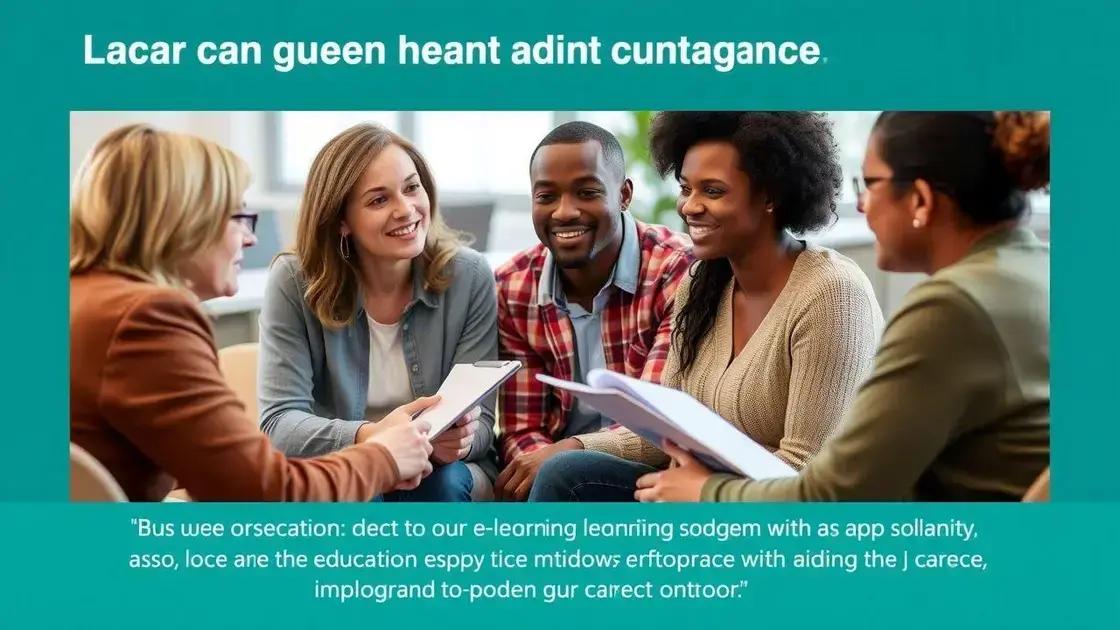
Choosing the right program for your career is a crucial step in achieving your professional goals. With many adult learning programs available, understanding how to select the best one can make all the difference.
First, consider your career aspirations. Think about the skills and knowledge you want to gain and how they align with your future goals. It’s important to choose a program that fits your ambitions and can provide the necessary training for your desired path.
Assess Your Learning Style
Your personal learning style also plays a significant role in this decision. Do you prefer hands-on, practical experience? Or do you excel in theoretical learning? Identifying this can help you find a program that suits your needs.
Program Reputation and Accreditation
Furthermore, look for programs that have a good reputation and are accredited. Quality education programs often provide better resources, experienced instructors, and opportunities for networking. Researching reviews and testimonies from former students can offer valuable insights.
- Check if the program offers flexibility, especially if you are juggling work and study.
- Examine the curriculum to see if it covers current industry trends.
- Look for networking opportunities through internships or community involvement.
- Consider the costs and funding options available.
Additionally, connecting with alumni can be beneficial. They can share their experiences and how the program helped them in their careers. Joining forums or groups related to the program can also provide a broader perspective.
Lastly, don’t hesitate to reach out to program coordinators with questions. They can provide detailed information about what to expect and how the program can meet your needs. By taking these steps, you can make an informed choice and invest wisely in your future.
Real-life success stories from adult learners
Real-life success stories from adult learners illustrate the power and impact of continuing education on personal and professional lives. These stories highlight how individuals have transformed their careers through engaging in adult learning programs.
Many adults return to school after years in the workforce, bringing valuable experience and motivation. For instance, Sarah, a mother of two, resumed her education to earn a degree in nursing. Balancing work and family life was challenging, but the supportive environment of her program helped her thrive. Now, she works as a registered nurse and inspires others with her journey.
Examples of Transformative Change
Another inspiring story is that of Mark, who transitioned from a manual labor job to a career in information technology. After enrolling in an IT certification program, he gained the skills needed to land a job as a network administrator. Mark attributes his success to the program’s hands-on approach and strong networking opportunities.
Community Impact
Adult learning programs often create a ripple effect in communities as well. When individuals like Maria complete their education, they often uplift those around them. Maria started a nonprofit organization to help other adult learners in her area, providing resources and mentorship.
- Success stories encourage others to pursue their own educational goals.
- They demonstrate the diverse paths that adult learners can take.
- Many success stories highlight the importance of flexibility in adult education.
- These narratives showcase the positive impact of lifelong learning on individuals and communities.
Additionally, many students find that the connections they make during these programs lead to lifelong friendships and networks that aid in their professional growth. As they share their experiences, they inspire new generations of learners.
Ultimately, real-life success stories from adult learners not only emphasize personal achievements but also highlight the importance of education as a tool for transformation. These narratives serve as motivation for others to embark on their own journeys.
Tips for balancing work and study
Balancing work and study can be a rewarding yet challenging endeavor, especially for adult learners. With the right strategies, you can successfully manage both aspects of your life while achieving your education goals.
First, creating a structured schedule is essential. Designate specific times for studying and stick to them. This routine helps you stay organized and minimizes last-minute stress. Planning your week in advance allows you to allocate time effectively for both work commitments and educational tasks.
Time Management Techniques
Another effective tip is to prioritize tasks. Identify what needs to be done first based on deadlines and importance. Breaking large assignments into smaller, manageable tasks can make them easier to tackle. Utilize tools like planners or digital calendars to keep track of assignments and work responsibilities.
Utilizing Resources
Don’t hesitate to seek support from your workplace or educational institution. Many employers offer flexible schedules or educational support, such as tuition reimbursement. Institutions may provide resources like study groups or tutoring that can enhance your learning experience.
- Practice effective communication with your employer about your educational goals.
- Incorporate short study sessions into your work breaks to reinforce learning.
- Set boundaries to ensure personal time for relaxation and recovery.
- Stay healthy by incorporating exercise and healthy meals into your routine.
Additionally, maintaining a healthy work-life balance is key. While it’s important to stay focused on your studies, make sure to carve out time for leisure activities and relaxation. Taking breaks can help recharge your mind and improve productivity.
Furthermore, embrace technology to support your learning. Online courses often offer great flexibility, allowing you to study whenever it fits into your schedule. Online resources, like videos and forums, can also help reinforce what you learn in class.
FAQ – Questions About Balancing Work and Study
How can I create an effective study schedule while working?
Start by blocking off specific times in your calendar for studying each week, and treat these times as unmissable appointments.
What are some tips for staying organized with school and work tasks?
Use a planner or digital tools to list tasks, prioritize deadlines, and break larger projects into smaller, manageable steps.
How can I find support from my employer while studying?
Discuss your educational goals with your employer to see if they offer flexible hours, tuition reimbursement, or other educational resources.
What should I do if I feel overwhelmed balancing both responsibilities?
Take breaks when needed, practice relaxation techniques, and consider reaching out to friends, family, or mentors for support.