TikTok restrictions debated in Congress primarily focus on user privacy and national security concerns, while balancing the need for freedom of expression and the platform’s role in fostering creativity and economic opportunities.
TikTok restrictions debated in Congress have sparked conversations about privacy and freedom of expression. As lawmakers scrutinize the platform, what does it mean for users and content creators? Let’s dive into the topic.
Overview of TikTok’s influence in the U.S.
TikTok has quickly become a cultural phenomenon in the United States, drawing millions of users daily. Known for its engaging short videos, this platform allows users to express creativity, share trends, and connect worldwide. With its rapid growth, it’s essential to understand TikTok’s influence on American society.
Popularity Among Young Users
A significant portion of TikTok’s user base consists of young people, especially Gen Z. This demographic enjoys the platform’s mix of entertainment and social interaction.
- Over 60% of users are between 16 and 24 years old.
- It encourages creativity through challenges and trends.
- Users typically spend more than 50 minutes daily on the app.
As more users flock to TikTok, brands are taking notice. Many companies leverage the platform for marketing, recognizing its ability to reach younger consumers effectively.
Cultural Impact and Trends
TikTok has not only changed how content is created but also how trends spread. Viral challenges and dance routines often originate from the platform, influencing mainstream culture and even music charts.
- Musicians have gained popularity through TikTok virality.
- Fashion and beauty trends often start on the app.
- Social issues are discussed widely through various videos.
The platform also serves as a space for activism, with many users raising awareness about important social topics. TikTok has given a voice to diverse communities and highlighted various issues in modern society.
Understanding how TikTok shapes conversations around culture is vital. As its influence grows, it’s clear that TikTok is more than just entertainment; it’s a platform that reflects and drives social dynamics in the U.S.
Key arguments for imposing restrictions
As TikTok continues to grow in popularity, policymakers are voicing concerns about its impact on privacy and national security. The debate surrounding TikTok restrictions focuses on several key arguments that proponents believe warrant action.
Data Privacy Concerns
One primary argument for imposing restrictions is the app’s handling of user data. Since TikTok is owned by a Chinese company, there are fears that personal information could be accessed by foreign governments.
- TikTok collects vast amounts of data from its users, including location and browsing behavior.
- This data could potentially be used for surveillance or espionage.
- Other social media platforms have faced scrutiny for similar issues, making this a critical concern.
Many advocates argue that implementing stricter regulations is necessary to protect American users. By establishing clearer rules, lawmakers can ensure data privacy and security.
National Security Risks
Another argument surrounding TikTok is its potential threat to national security. Some believe that the app could be used to spread misinformation or influence public opinion through targeted content.
- Besides data privacy, it raises questions about how platforms can impact democracy.
- Young users, particularly, are vulnerable to manipulated narratives.
- Recent political events may highlight the importance of scrutinizing foreign-owned media platforms.
This concern leads to discussions about the need for oversight. Supporters of TikTok restrictions argue that national security should take precedence in protecting citizens from possible manipulation.
In light of these arguments, it is vital to understand the implications of inaction. If lawmakers do not address such issues, users may continue to face potential risks. This ongoing debate serves as a catalyst for broader discussions about regulating social media for the greater good.
Counterarguments against TikTok regulations
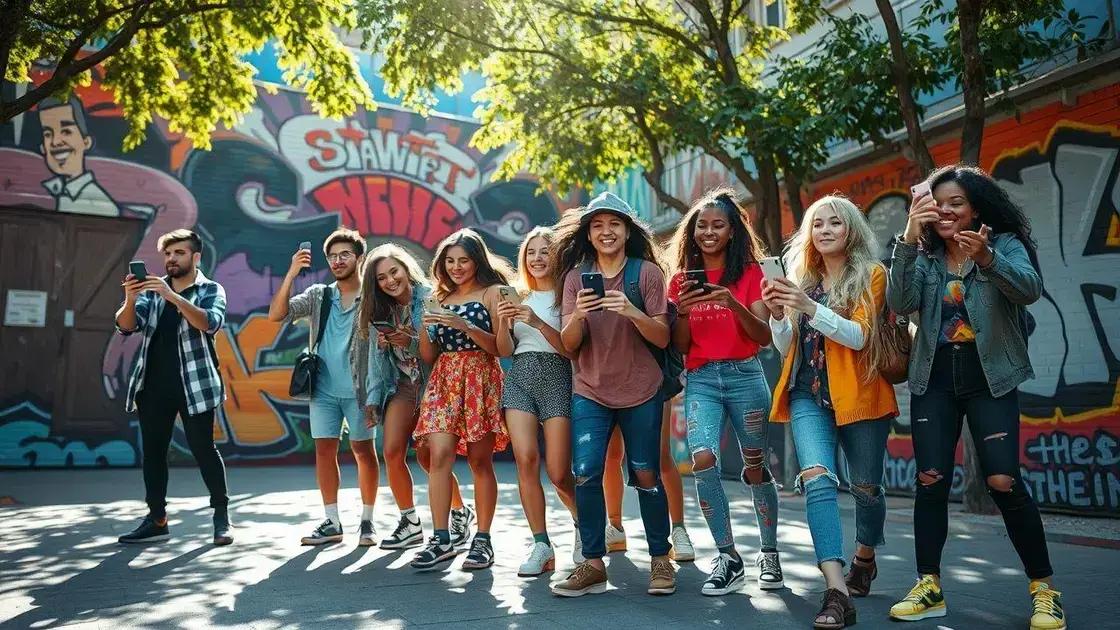
While many support imposing restrictions on TikTok, there are significant counterarguments worth considering. Opponents of regulation argue that these actions could infringe on users’ rights and stifle creativity.
Freedom of Expression
One of the main points against TikTok regulations is that they might limit freedom of expression. Users enjoy sharing their opinions and creativity through diverse content. Imposing restrictions could lead to censorship.
- Many creators rely on TikTok as a platform for self-expression.
- Regulations may discourage users from discussing important social issues.
- Creativity thrives in open environments; restrictions may limit this space.
It’s vital to recognize that any regulation could ultimately reshape how content is shared online.
Economic Concerns
Another strong counterargument relates to the economic impact of regulating TikTok. The platform plays a crucial role in the economy, especially for small businesses and creators.
- Small businesses use TikTok to promote their products and services to a broad audience.
- Influencers form partnerships with brands, generating substantial revenue.
- A decline in user engagement may harm the overall economy.
For many, TikTok is a source of income and opportunity. Stricter regulations could affect livelihoods, which raises further concerns.
Moreover, opponents point out that focusing solely on TikTok may distract from the broader issues surrounding digital privacy and security. Creating policies that address multiple platforms could be more effective than singling out one application.
The ongoing debate emphasizes the importance of balance. It’s crucial to weigh the need for regulations with protecting individual rights and the economic benefits that TikTok offers.
Impact on users and content creators
The debate surrounding TikTok restrictions has significant implications for both its users and content creators. Understanding this impact is essential as the platform continues to influence millions.
User Experience Changes
One key aspect of TikTok’s appeal is its ability to entertain and engage users. However, potential restrictions may alter the user experience. Users may find that their feeds become less diverse or engaging if certain content is limited.
- Restrictions may lead to fewer viral trends and challenges.
- Content that addresses social issues could be restricted, limiting awareness.
- User interactions might decrease if engaging content is unsure of its future.
This situation could drive users to alternative platforms where their self-expression feels less constrained, impacting TikTok’s overall engagement.
Effects on Content Creators
Content creators heavily rely on TikTok to showcase their talent and connect with audiences. Potential regulatory changes could directly affect their creative freedom and business opportunities.
- Creators may face challenges in promoting their brands or products effectively.
- Changes in content reach could impact growth and monetization opportunities.
- New regulations might deter emerging creators from joining the platform.
The livelihood of many creators depends on their ability to engage audiences effortlessly. Stricter content regulations could stifle creativity and innovation, which harms not just individuals but the entire TikTok ecosystem.
Many creators utilize trends to provide relatable and engaging content. If these trends vanish due to restrictions, it can lead to a less vibrant community and a decline in fresh ideas. The importance of fostering an environment that supports creativity and connection cannot be understated.
Ultimately, the impact on both users and content creators highlights the delicate balance between regulations and freedom of expression on social media platforms like TikTok.
Possible future of TikTok in America
The future of TikTok in America hinges on several factors, including ongoing regulations, user engagement, and the evolving landscape of social media. Understanding these aspects is crucial as we look ahead.
Regulatory Landscape
As discussions about restrictions continue, the app’s future may depend on how policymakers choose to regulate it. Stricter laws could reshape the way TikTok operates.
- Increased regulation may lead to significant changes in data handling practices.
- New guidelines could limit the types of content that users can explore.
- Potential bans or forced divestments by foreign ownership could alter the app’s structure.
These regulatory actions could profoundly affect user trust and engagement, determining whether they stay loyal to the platform.
User Engagement Trends
Another factor shaping TikTok’s future is how users interact with the app. TikTok’s ability to retain its user base and attract new users will play a significant role.
- Engaging content and innovative features can enhance user experience.
- Continuous evolution of the platform to meet user demands is essential.
- Competition from other apps may challenge TikTok’s popularity.
If TikTok successfully adapts to user preferences and maintains its entertaining nature, it could continue to thrive.
Moreover, the platform’s ability to foster a creative community will be vital. Encouraging new creators and diverse content will not only attract users but also keep existing ones engaged. By investing in these elements, TikTok can strengthen its position in the market.
Lastly, the overall social media landscape will influence TikTok’s trajectory. As new platforms emerge, TikTok must remain relevant by innovating and responding to changes. This adaptability could determine its long-term success in America.
In conclusion, the discussion surrounding TikTok restrictions highlights the balance between regulation and freedom of expression. While concerns about privacy and national security are valid, it’s essential to consider the creative opportunities the platform provides for users and content creators. The future of TikTok in America will depend on how well it adapts to regulatory changes and meets the needs of its audience. By fostering a supportive environment for creativity, TikTok can thrive amid these challenges.
FAQ – Frequently Asked Questions about TikTok Restrictions
What are the main concerns regarding TikTok’s data privacy?
The main concerns focus on user data being potentially accessed by foreign governments, leading to privacy risks and national security issues.
How do TikTok restrictions affect content creators?
Restrictions may limit creative freedom and affect their ability to monetize content, reducing opportunities for many creators.
Why is user engagement important for TikTok’s future?
Higher user engagement keeps the platform vibrant and attracts advertisers, crucial for its long-term success in a competitive market.
What role does freedom of expression play in the TikTok debate?
Freedom of expression is vital as regulations could stifle creativity and limit the diversity of content available to users.